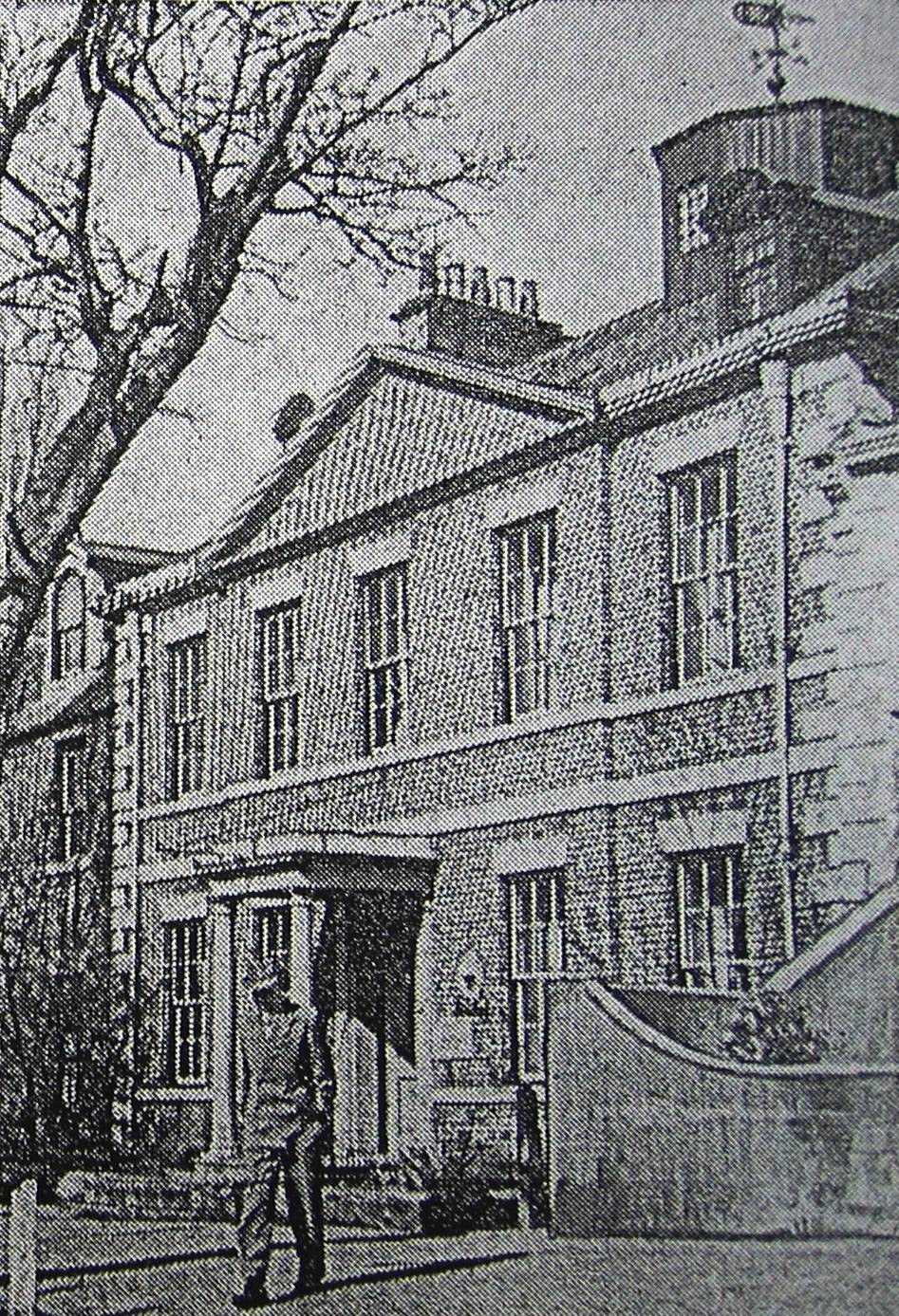
Notes: 1. Talbot House already existed after the Great War, the property being rented. It was decided in 1944 that the house should be purchased as a permanent war memorial for those who have made the supreme sacrifice. Thus the work carried on by Toc H in wartime could be carried on in peace time. It was also the HQ of the Friendship League, whose type of work would be needed after the war.
2. In 1967 there was confusion as to whether the building was only for ex-servicemen, but it was clarified that it was open to anybody.
3. The founder of the South Shields Branch after the Great War was Mr. Dryden Anderson. Many of its original members knew Rev. ‘Tubby’ Clayton.
4. The chapel was endowed in memory of Colonel Chapman’s brother (Major Launcelot Chapman, MC., killed in Flanders in 1917), and nursing sister (Miss Marion Dorothy Chapman, V.A.D.) who died in Alexandria in 1918, the brother and sister of Colonel Chapman.
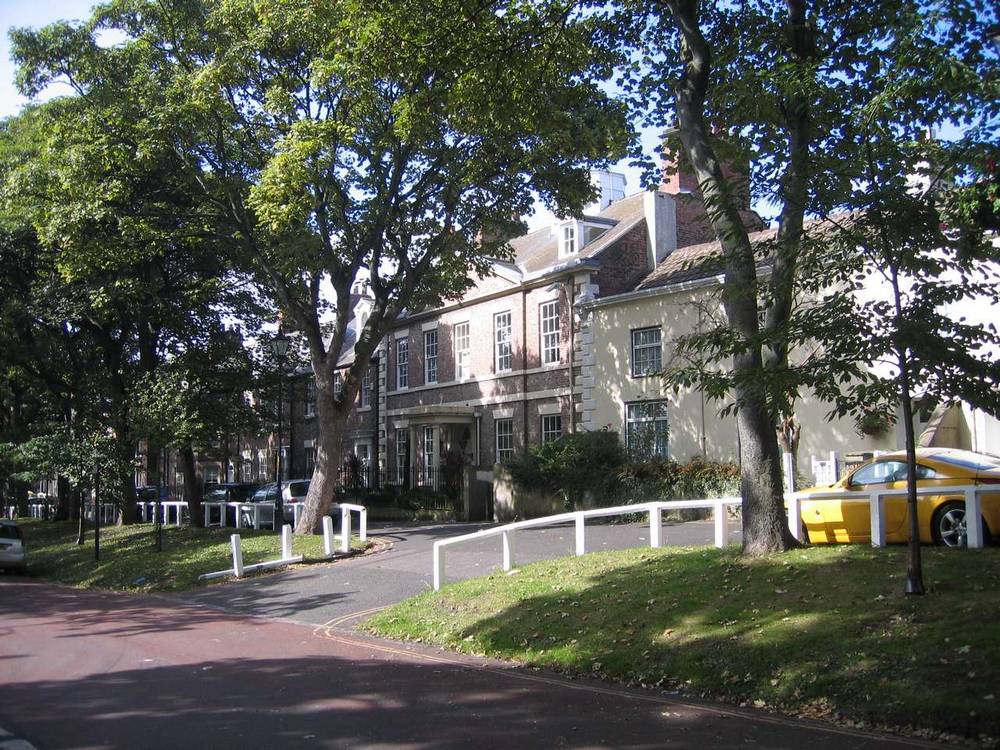
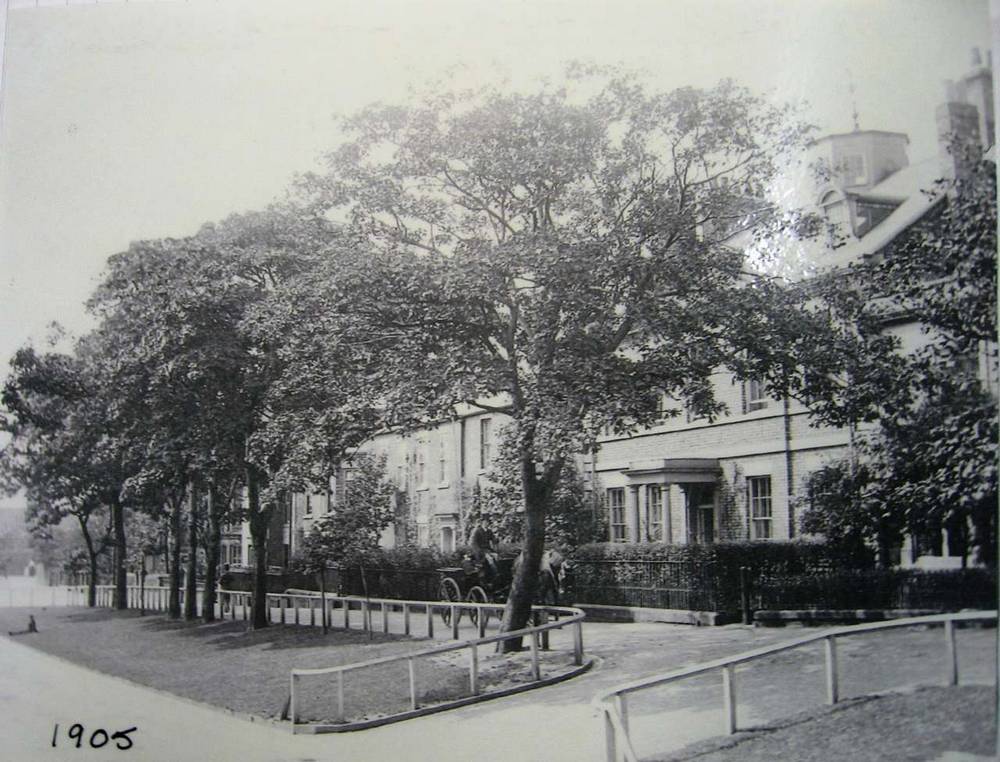
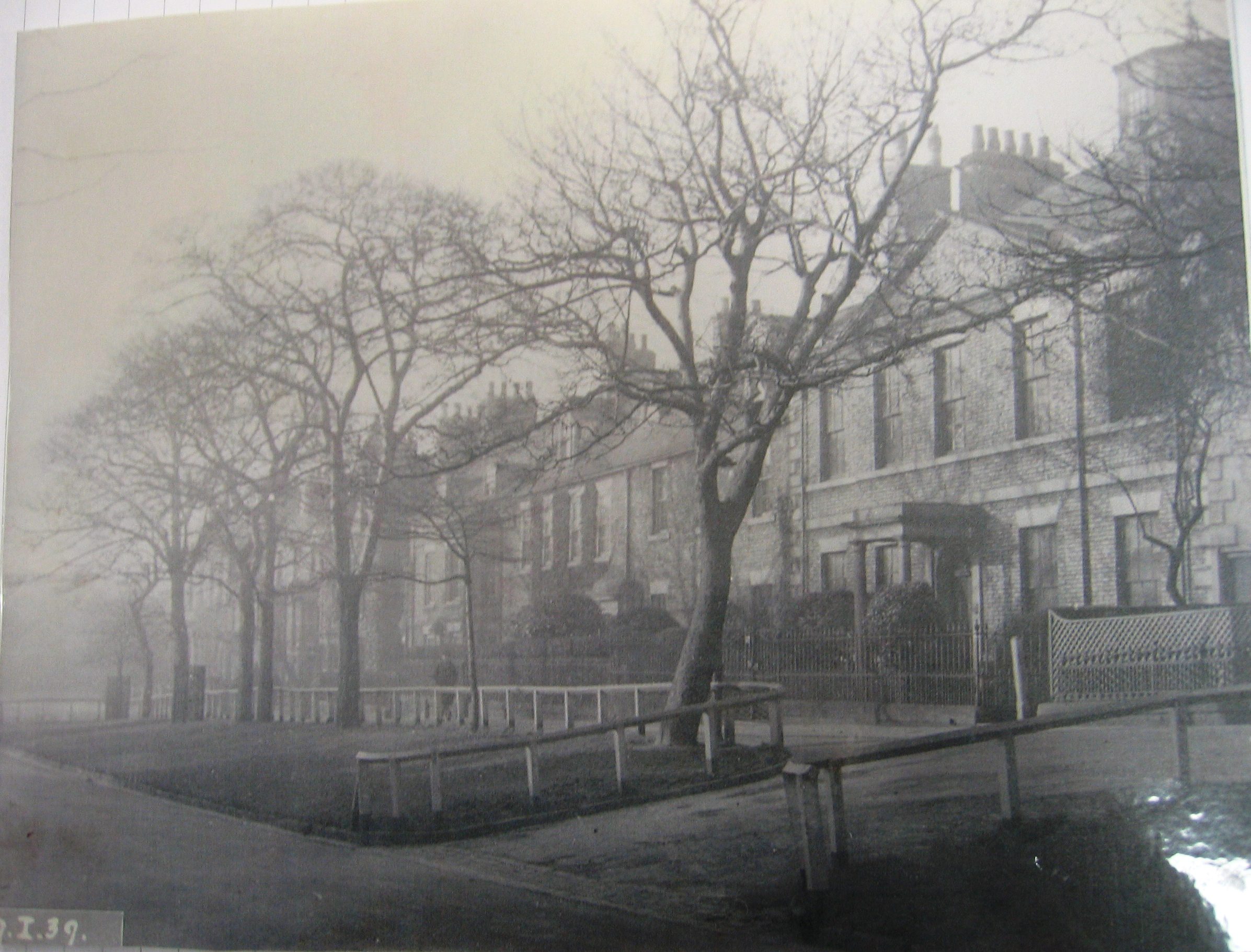
5. The house had originally been a farmhouse in the 18th century. The house was built around 1760 as a farmhouse. It first appeared on a map as “Henry Wilkinson’s homestall and garth” and was up for sale in 1784. It once belonged to the Gowan family. In 1816, the son William Marshall succeeded his father George as occupant.
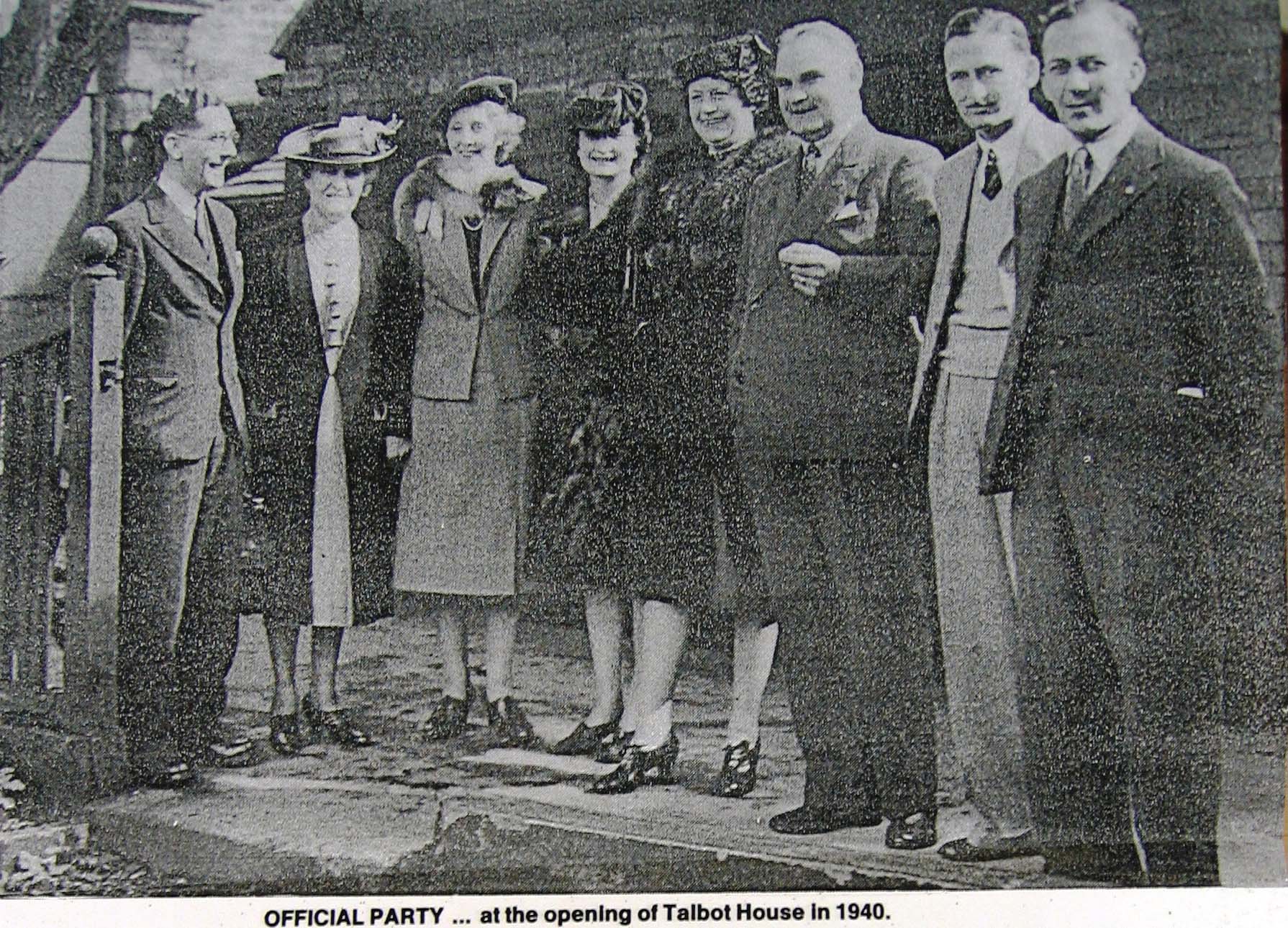
6. A newspaper photo of the official party at the opening features (left to right) (1) Fred Taylor, Probation Service in Shields; (2) unknown, possibly Mrs. Ridley; (3) Mrs. Chapman; (4) uncertain; (5) Uncertain; but either could have been the wife of (6) Col. Chipchase of Tyne Dock Engineering; (7) Walter Baird, thought to be scheme treasurer; (8) Bob Downey, inspector of weights and measures.
7. During the Great War, the house gave shelter to more then 15,000 members of the forces. The W.V.S. served more than 80,000 meals, and 1,500,000 cups of tea.
8. A former Mayor of South Shields Alderman Matthew Stainton lived in the house from 1877 until his death nine years later. Another Major Alderman Henry Nelson subsequently bought it.
9. It was to be used as a community Centre by the people of South Shields. A memorial book containing a record of all Shield people who were killed during the war has been kept in a chapel in the attic. Which is now in the ‘Word’ located at the Market Place. 2022. See W101.08.
10. In 1981 when the house went up for Sale the asking price was £202,000.
11. Tubby Clayton the founder of TOC H, had stayed at Undercliff in 1926.
12. It was originally opened as a TOC H rest and recreational centre for the Army, Navy and the Air Force and Merchant Navy men.
13. Robert Chapman was the County Welfare Officer and High Sheriff and was present at the opening of Talbot House.
14. Lady Helene Paris MacGowan Chapman had remarked at the opening ceremony that she had visited the original TOC H house in Poperinghe ‘POP’ and was impressed by its simplicity as a haven of rest, shelter and peace. Also it was the house she first met Robert before the First World War, when it was in private hands.