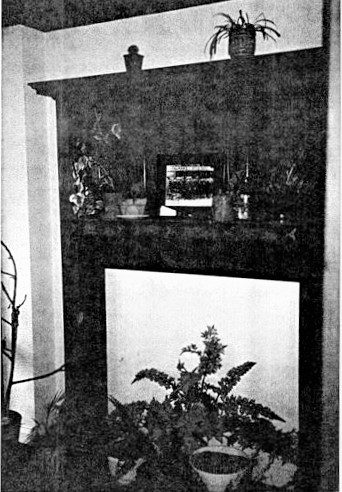
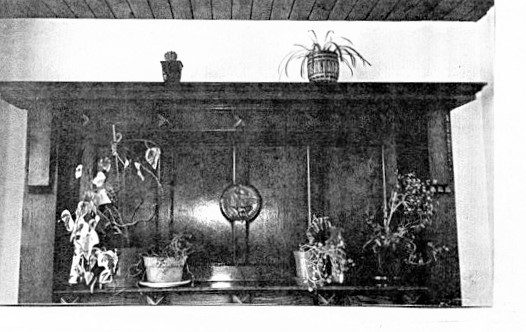
Notes: 1. This Project was entered for the Morpeth Northumbrian Gathering Schools’ Competition in 1991 and was awarded the Janet Brown Trophy in the Group entry.
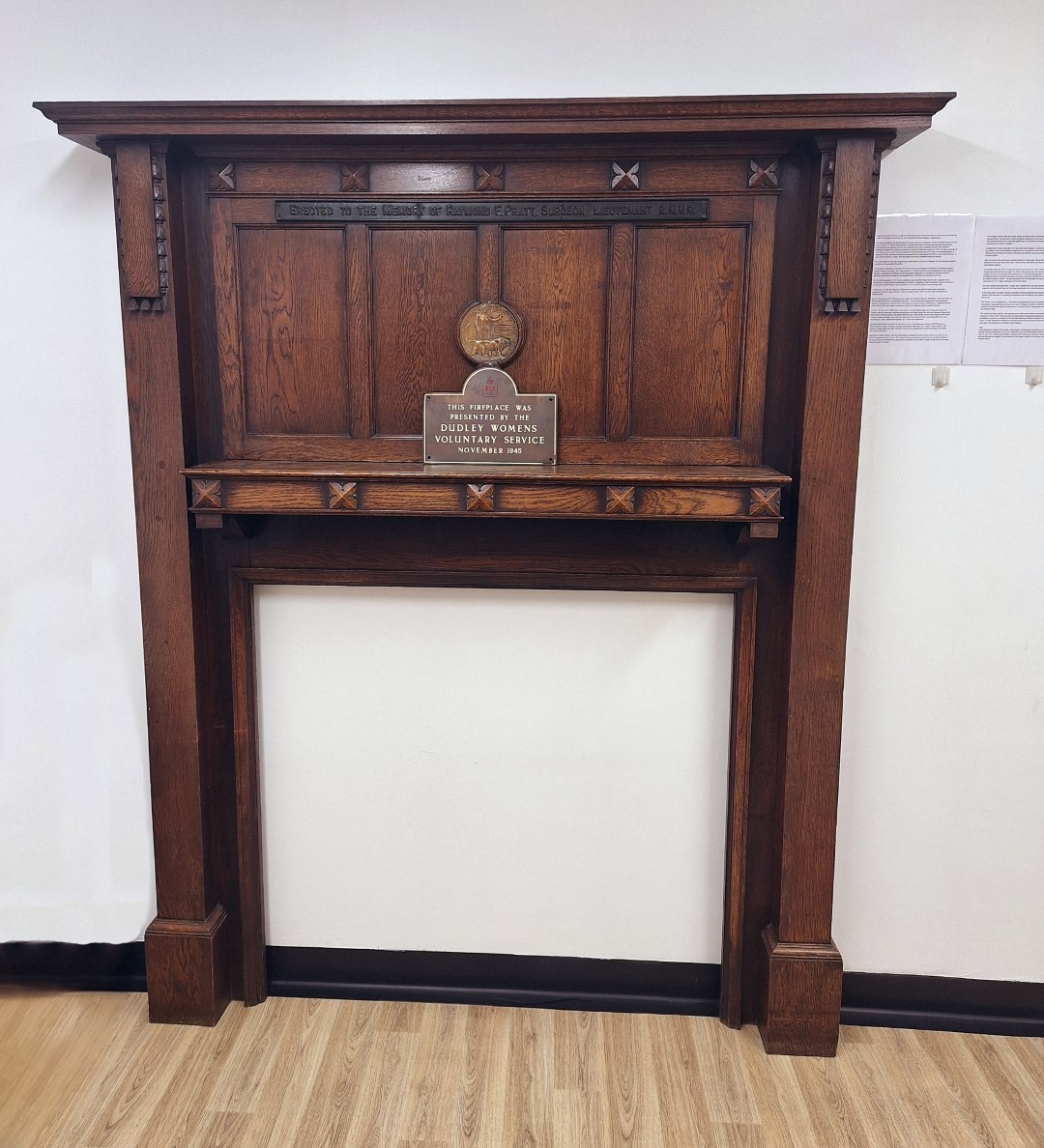
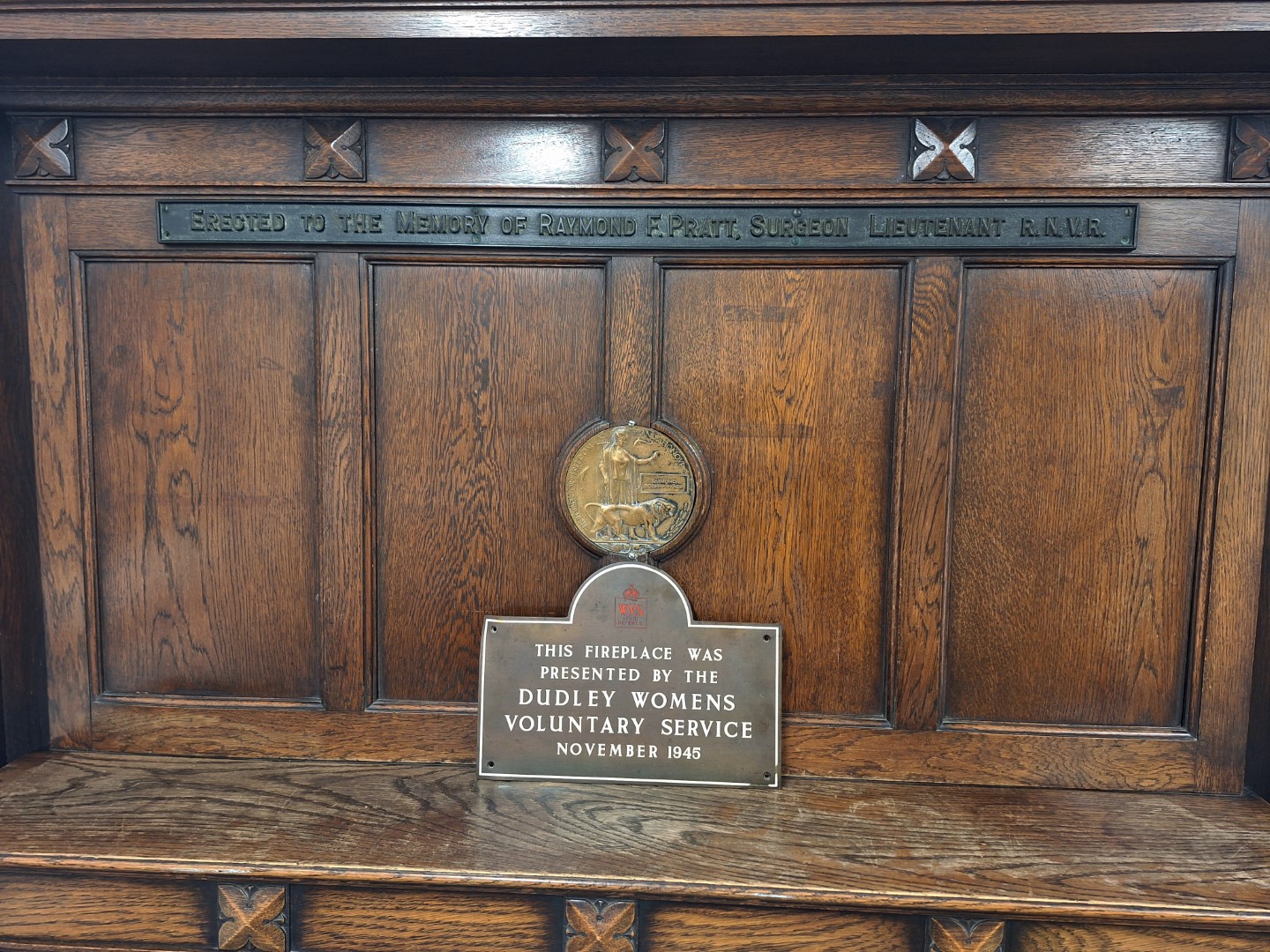
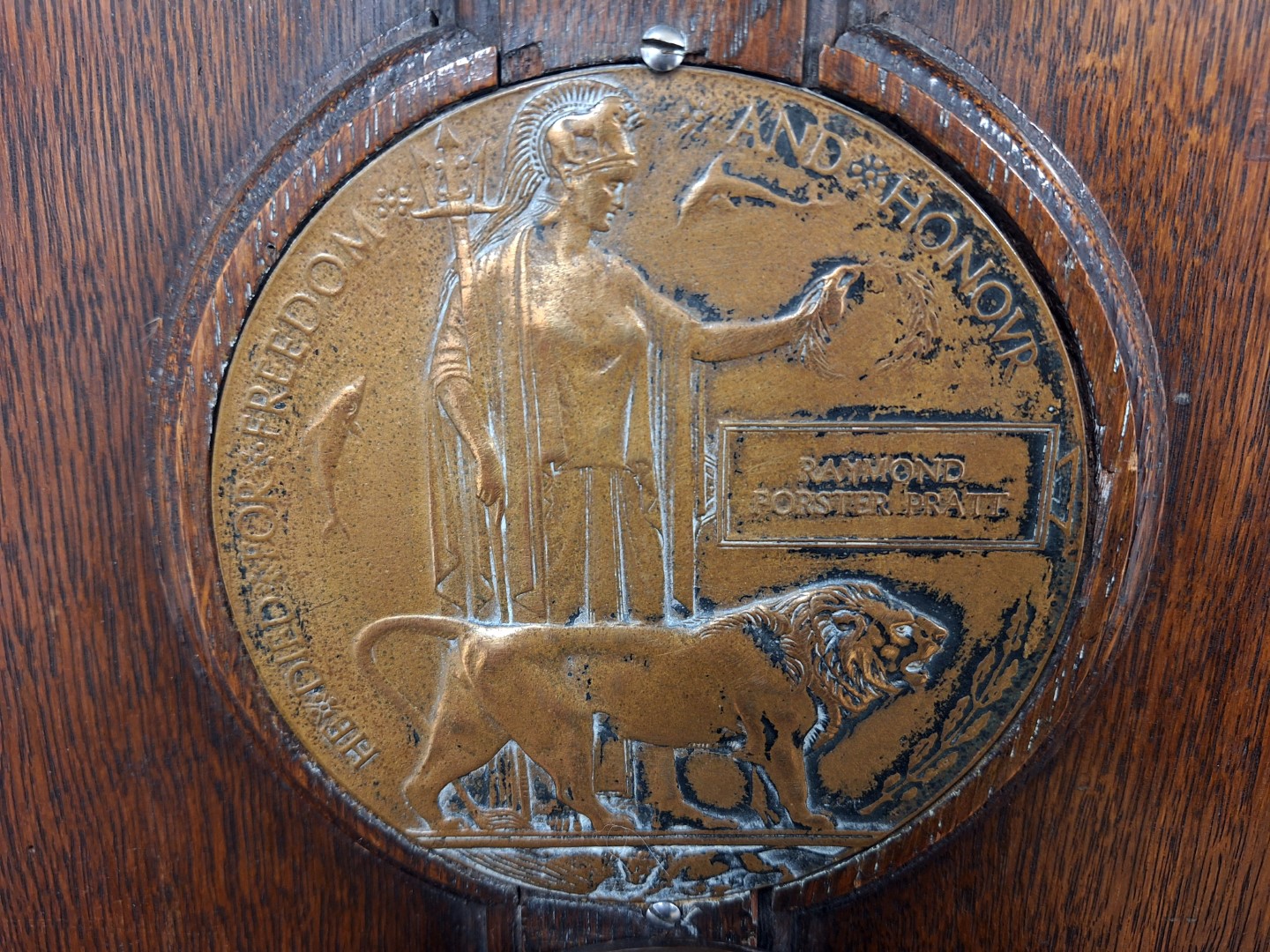
2. “Behind a framed photograph on the mantelpiece we found a medallion.[Memorial plaque}, On it was written the name Raymond Foster Pratt”. (Dudley Middle School)
3. See his Every Name A Story entry.
4. This was originally in the Surgery/Doctors room, [that was located in the facility], that would have been R. F. Pratts medical Doctor’s own office if he survived.
5. During the late 1960s and 1970s, the location famously housed the doctors’ rooms for Dr. Hill, Dr. John Clark, and Dr. Brenda Clark, functioning as a foundational local health surgery for the community, rebuilt by the Doctors Gordon and McKenzie Medical Group, who have rebuilt the Doctors Rooms as the local Medical Centre.
6. On the 4th of November 1915 the Newcastle Daily Chronicle published a letter to the editor about a proposed memorial institute for the Northern Counties. The letter explained that [the] committee had been set up to plan and open a memorial institute of 20 beds for patients and 4 for staff and that the building should include an operating theatre, billiard room etc. Patients must be soldiers, sailors or munitions workers from the northern counties. The committee had been offered a private hospital in Newcastle but needed money to pay for it. A sub committee had been formed in Dudley and was being run by Raymond’s parents.
7. On the 12th of March 1923 the Newcastle Evening Chronicle published a story about the proposed erection of a nurses cottage hospital ward and memorial to the memory of the men from Dudley who had died.
8. On the 2nd of May 1923 the Newcastle Evening Chronicle published a small piece saying land adjacent to the main road through the village had been secured and a large sum of money had been raised.
9. On the 15th of September 1923 the Newcastle Evening Chronicle published a small story saying as a war memorial at Dudley colliery, a nurses home, ward and monument have been erected and that afternoon the house had been opened and the monument dedicated. The nurses home and accident ward were declared open by Doctor J Wishart and the memorial dedicated by the Rev J Burdon, the vicar of Killingworth.
10. Given that Raymond’s parents had been involved in fundraising for a hospital in Newcastle, it’s highly likely that his now widowed father was also involved in fundraising for another one which was just around the corner from his home in the school and in memory of the fallen of the war. He remarried a year after it opened so it’s also very likely that his future wife, Iris a medical practitioner for the Northumberland schools, was also involved.
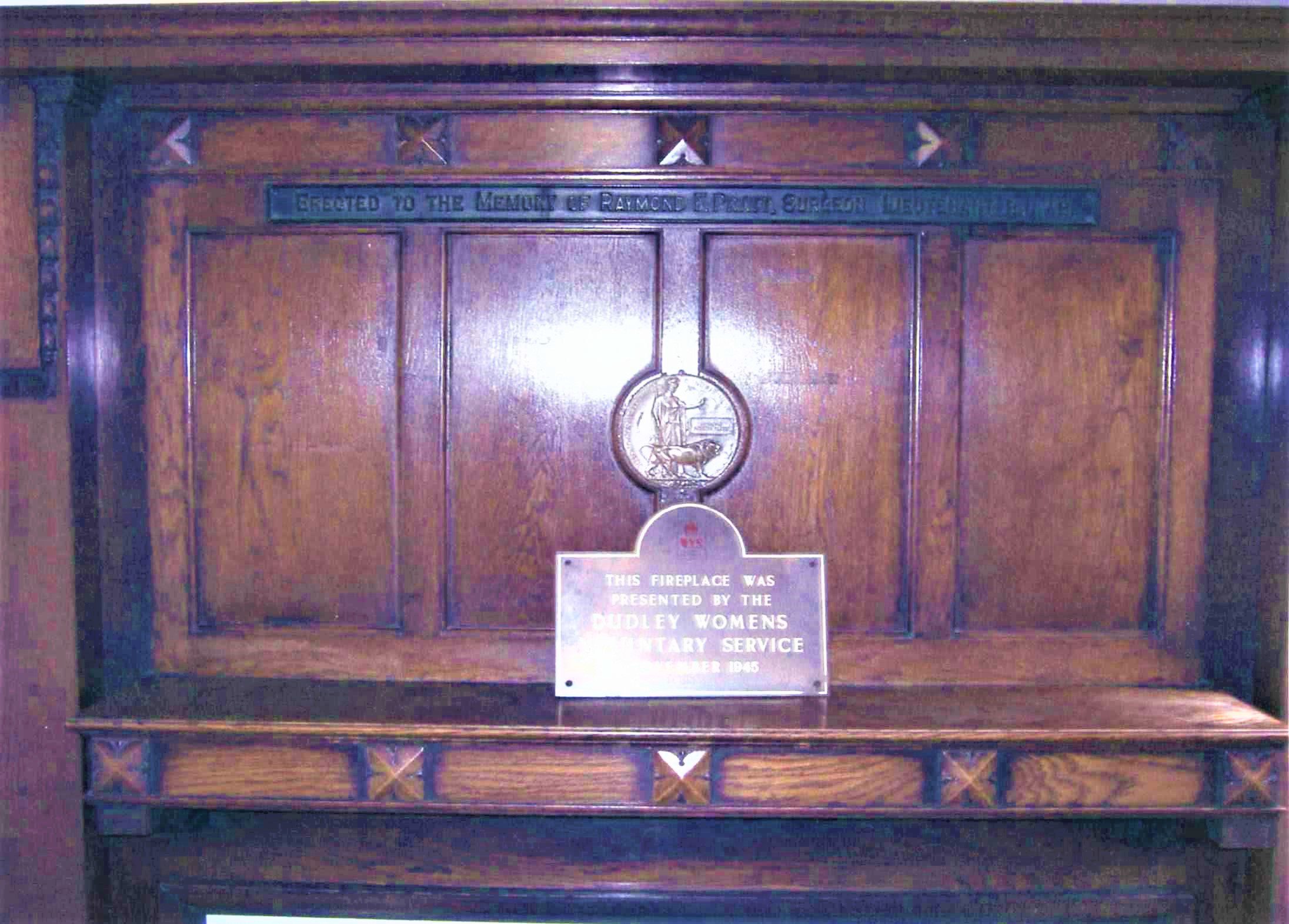
11. In November 1945 the Dudley branch of the Women’s Voluntary Service presented a fireplace to the building, which was now the local doctor’s surgery, in memory of Raymond. The fireplace has Raymond’s World War One memorial plaque embedded in it. It’s not clear why they did this however there are two possible theories about it.
In 1992 the North East War Memorials Project put a piece in the Newcastle Evening Chronicle asking for people’s memories of the memorial. One lady replied stating the fireplace was in a room fitted out as an emergency two bed ward in memory of Mr Pratt’s son.
It’s not clear if she meant the fireplace or the ward was in memory of Raymond but the 1915 project had stated that anyone who donated over £150 would be able to have a bed namedas they desired. Perhaps the ward itself had been named after Raymond due to his father’s fundraising efforts or because Raymond had been trained as a doctor and surgeon.