
Every Name a Story
Graeme Lawson
Every Name a Story
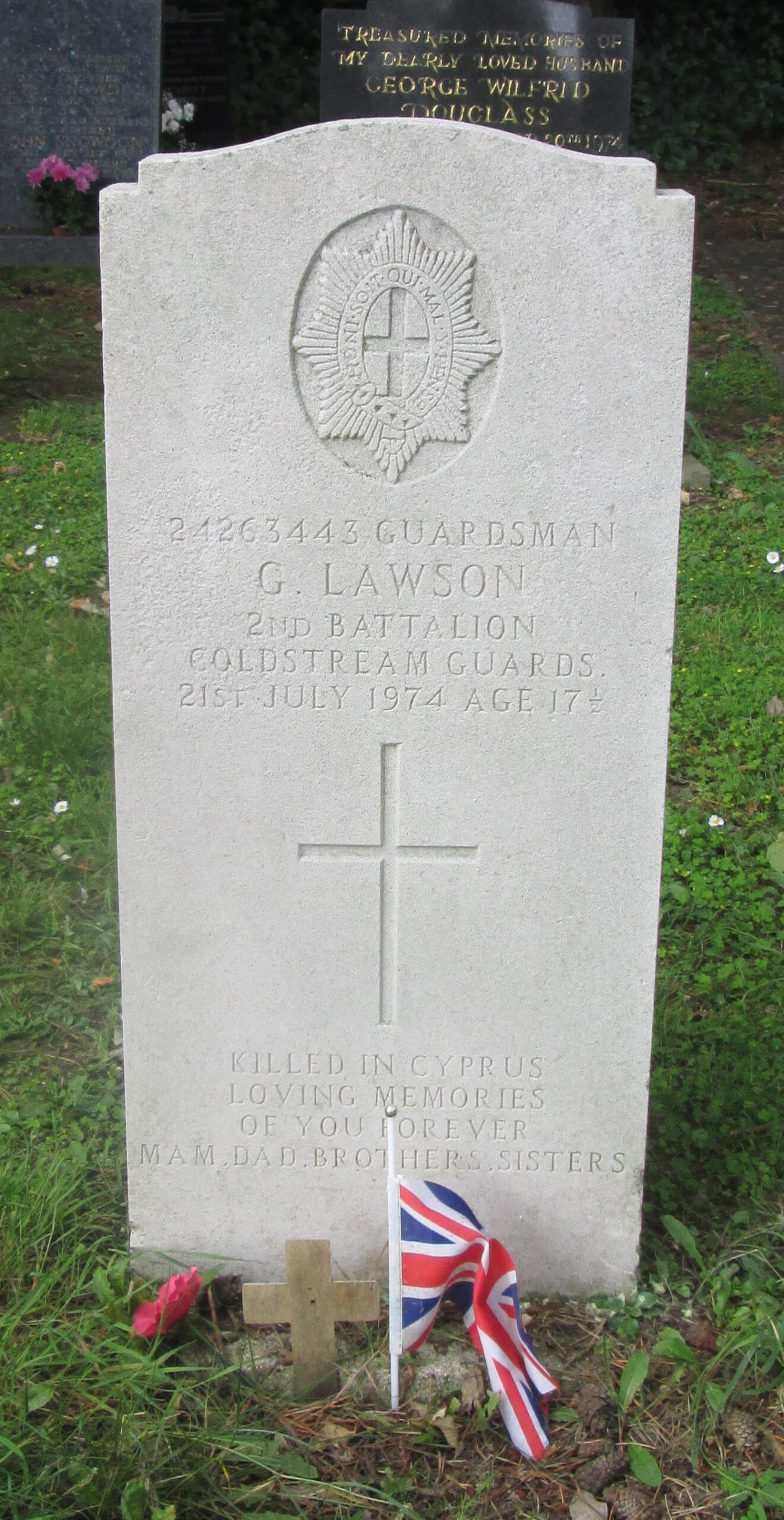
In Washington Cemetery is the Commonwealth War Grave of:
24263443 Guardsman
G. Lawson
2nd Battalion
Coldstream Guards
21st July 1974 Age 17
Killed in Cyprus
Loving Memories
Of You Forever
Mam Dad Brother and Sisters
Graeme Lawson was born on the 20th December 1956 the son of Alan and Margaret Lawson. He was educated at the Green Street School in Sunderland.
Graeme enlisted at South Shields just after his sixteenth birthday on the 29th December 1972. Graeme then joined the 2nd Battalion Coldstream Guards at Pirbright. He became a junior leader.
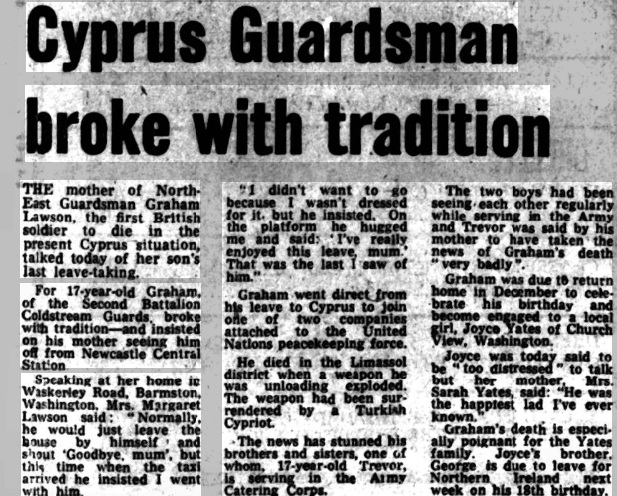
The Newcastle Journal 23/07/1974 reports:-
North soldier is first killed
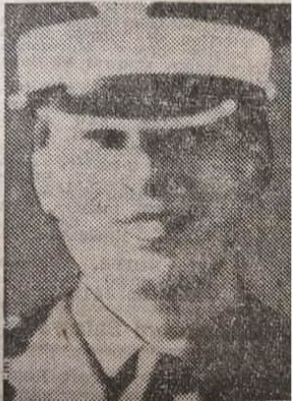
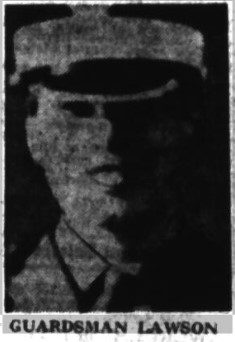
The first British soldier to be killed In Cyprus was named last night as teenage Guardsman Graeme Lawson. of Barmston Village. Washington, Co. Durham.
Guardsman Lawson, who was 18 and single. was in the 4th Company, Second Battalion of the Coldstream Guards. He was in one two companies attached to the United Nations – peace keeping force.
He died in a tragic accident in the Limassol district [sic], it was in Paphos, when a weapon he was unloading exploded. The weapon had been surrendered by a Turkish Cypriot.
‘He was a mate of mine, we joined at the same time In Pirbright Surrey, we were posted together in Pathos Cyprus, we were unloading weapons at Cypol headquarters when a round went off from a vehicle unloading weapons surrendered by Turkish troops, it could of been anyone of us as we hit the deck as sound of round going off we all got up except Lawson who had been shot in the head through a 45mm gun when Jimmy little grabbed hold of a rifle sling that was wrapped around the trigger it went off the round could of hit any off us but unfortunately hit Lawson‘.
Source of account; Brian Chadfield Mohr with thanks.
He was due to return home in December to celebrate his birthday and become engaged to a local girl Joyce Yates of Church View, Washington.
Graeme a soldier for 18 months had been in Cyprus for 4 weeks. This was his first posting.
His mother, Margaret Lawson, saw him off at Newcastle Central Station, which was breaking the family’s tradition. He resided at Waskerley Road, Barmston. Graham’s mother, Margaret said ‘Normally, he would just leave the house by himself‘ and shout ‘goodbye mum‘. but this time when the taxi arrived he insisted I went with him. I didn’t want to go because I wasn’t dressed for it, but he insisted. On the platform he hugged me and said, “‘I’ve really enjoyed this leave, mum’. That was the last I saw of him.
The news of his death had stunned Graeme’s brother and sisters. Brother, 17 year old Trevor, was serving in the Army Catering Corps. Graham and Trevor had been seeing each other regularly while serving in the Army. Trevor according to the mother, took his brother’s death ‘very badly‘.
Joyce was ‘too distressed’ to talk, but her mother Mrs Sarah Yates said “He was the happiest lad I ever knew”.
Joyce had a brother George, who was due to leave for Northern Ireland, next week on his 19th birthday.
Graeme was buried in Washington on the 1st August 1974, leaving behind his parents and brothers and sisters.
Newcastle Journal Tuesday 23/07/1974.
Lawson (Washington, 86 Waskerley Road), Accidentally in Cyprus on July 21. Graeme dearly loved son of Alan and Margaret and dear brother of Geoffrey, John, Trevor, Tonia, Julie and brother in law of Christine and loving fiancé of Joyce Yates. Friends please meet for service in Washington Parish Church. Thursday,1:30 p.m. Interment to follow at Washington Cemetery.
Richard Lawn, late Coldstream Guards has provided the following, stating that the article “is based on my personal recollections supplemented with open-source material.”
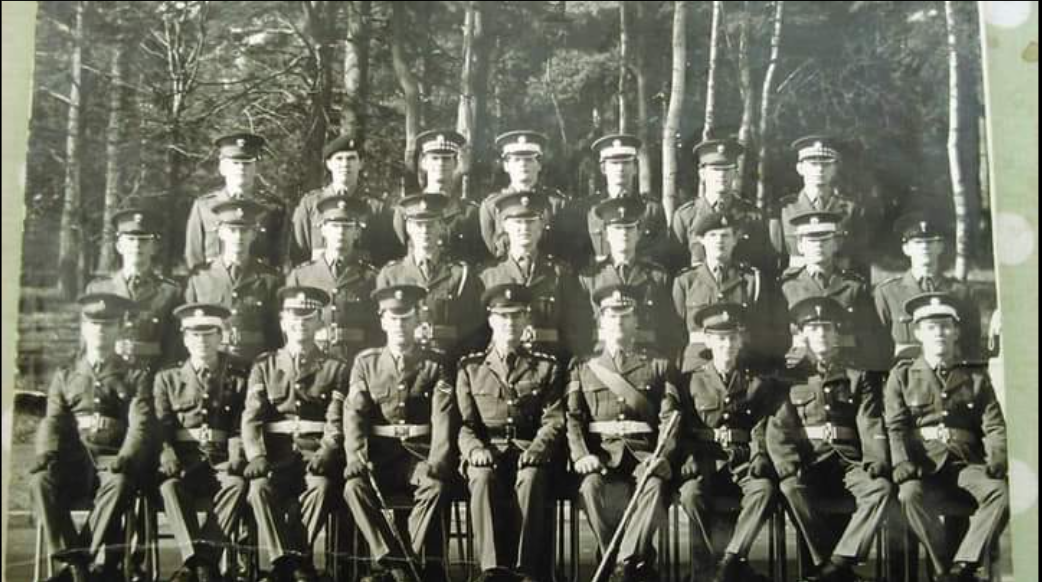
It seems hard to believe that 50 years have passed since 1974 when I first met Graeme. We were Junior Guardsmen together passing-out of the Guards Depot, Pirbright in April that year. The Inspecting Officer was the Defence Secretary of the day – the late Lord Carrington, erstwhile of the Grenadier Guards.
In 1974, the 1st Battalion Coldstream Guards was in Berlin and the 2nd was in Cyprus, both highly sought after postings. In Cyprus, No.1 and 4 Company were attached to the United Nations Force at Limassol and Paphos respectively. However, as we were all under 18, too young to serve overseas in a regular battalion, we were all held back and did a variety of military and adventurous training. Eventually, having reach the appropriate age, the group of some 20 or so young men, embarked on their respective adventures; some to Berlin and others to Cyprus.
We arrived in Cyprus by the early afternoon of 28th June, landing at R.A.F. Akrotiri, one of two designated British Sovereign Base Areas, established when Britain relinquished its claim to Cyprus as a colonial possession 14 years earlier. We were again split, with a small group destined for Paphos, which included Graeme and myself.
After getting our kit together we clambered onto open-topped Bedford RL trucks and started the 50-mile journey, along the old coastal road, to the makeshift St Patrick’s Camp, on the outskirts of Paphos. The route was via Aphrodite’s Rock. The position on the cliff-top, above the rock, was breath-taking, desolate and peaceful with a contrast of white rocks and an azure sea complemented by a warm breeze. For mostly working-class lads, from the North East, who were more accustomed to the North Sea resorts of Whitley Bay or even Scarborough, this seemed like paradise. What was unbeknown to these young men, awestruck by the experience, was the strategic importance of Cyprus and the machinations and duplicity that were already taking place amongst the world’s superpowers.
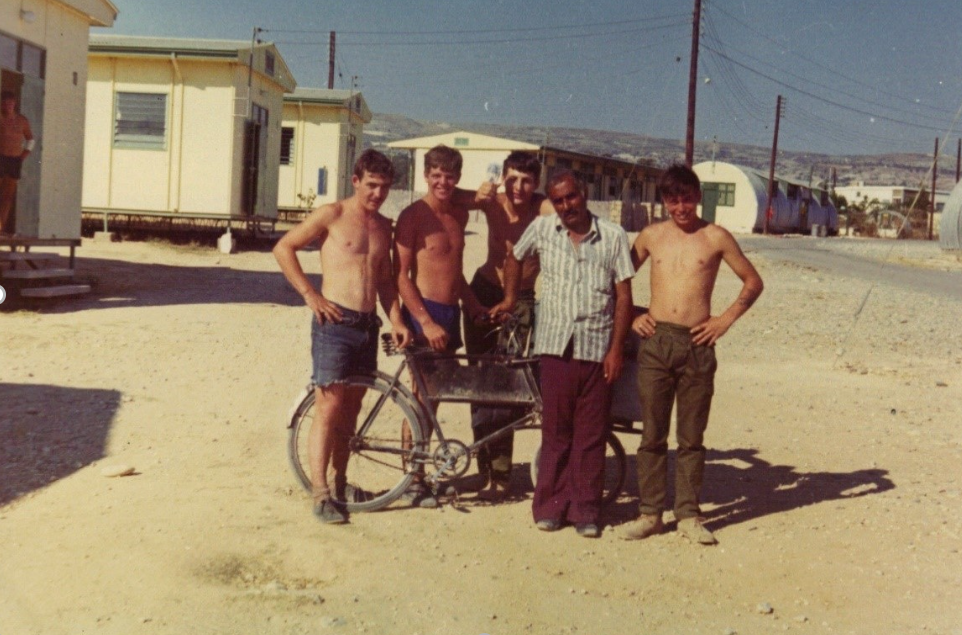
We arrived at Paphos and joined 4 Company. As the ‘New Draft’ we shared a ‘portacabin’ type barrack room and had to undergo some induction training. As we were still a good 6 months under 18, we were not allowed out of camp after midnight and some of our pay was put into savings, which meant (by design I suspect!) we could not afford to go to the more ‘exotic’ hot spots in Paphos.
During one of the training sessions, the Platoon Commander was called away. When he returned, he announced that there had been a Coup and the Greek National Guard had overthrown the democratic government. He added that the President, Archbishop Makarios III had been killed (although this proved not to be the case) and there was fighting all over the Island. In the coming days as the fighting raged, many ‘stray rounds’ shot into our room and we later saw, at close quarters, Turkish aircraft bombing Paphos. It was not long before we started housing terrified and stranded tourists until a safe passage home could be arranged.
By Sunday 21st July, in the Turkish quarter of Paphos, it is understood that Cypriot Police fought gallantly against the uprising, but due to the overwhelming attacking force, were in danger of being massacred. A local ceasefire was arranged but the predominantly Turkish force insisted they would only surrender and hand their weapons to United Nations Troops. In the early hours of that Sunday, as the sun rose, most of 4 Company, including Graeme and myself, under the cover of the ceasefire, tactically deployed into Paphos, with the intention of taking the surrender and recovering the weapons. It was a highly volatile situation and as we waited for further instructions, parked in the Turkish quarter, between the factions, the cease fire broke-down and we found ourselves in the cross-fire. The order came and we returned to St Patrick’s camp.
I was scheduled for camp guard that morning so was taken off the deploying force to commence Guard duty. Some hours later, another cease fire was secured and the deploying group, with Graeme on board, once again moved into Paphos. It was to be the last time I would see him. A time limit had been set by the Greek fighters, restricting the time available to the Company to process the surrender. This meant there was insufficient time to ensure all the recovered weapons were made safe and as they were being loaded onto the trucks, a tragic accident occurred whereby one weapon discharged a round. Graeme was working nearby and the round struck-him, killing him instantly. I received the news that one of the New Draft had been killed and after some time learnt it was Graeme.
Sadly, Graeme did not live to see President Makarios being evacuated through St Patrick’s camp where the Company Commander gathered us all, to introduced us to him en-masse. It was a very unconventional and impromptu ‘Presidential visit’ with no pomp and with us all just wearing our dusty fighting order, holding onto our rifles. Safe, the Archbishop was grateful, and he thanked-us for our endeavours and waved farewell before departing in a R.A.F. helicopter. Graeme did not see the Company Orders publication that said, ‘There are very many people still alive today who might not have been, but for your actions’ and nor did he live to see Archbishop Makarios III being restored as the democratic leader of Cyprus.
As we now know, the response to the coup was a Turkish invasion and the conflict continued, resulting in the partition of Cyprus. The overall death toll is believed to be in the thousands, with many allegations of atrocities on both sides. Ultimately some 150,000 people were displaced, more than a quarter of the Island’s population, with immeasurable suffering, anguish and misery. It was always said that the Cyprus conflict was about an ethnic rift between Greek and Turkish Cypriots, each seeking reunification with their respective homelands, but this account was perhaps a too simplistic expedient.
Since 1974, so much has been revealed about the underlying reasons for the Coup in Cyprus and the subsequent Turkish invasion. Some suggest that partition had been an American strategic aim, fearful that the British government could ill-afford to maintain its presence and any vacuum might be filled by the Soviets, a position not wholly opposed by Makarios. Much has been said about the masterminds behind all this suffering and misery which to my mind was a shameful betrayal of the innocent. Sadly, I have since learnt the bitter lesson, in armed conflict this is always the way and I suspect, despite all the talk of ethical foreign policy, it always will be. In such cases, the suffering of the innocent is euphemistically described as ‘collateral damage’ in the superpower’s pursuit of their grand strategies.
In a book, first published in 1999, The Cyprus Conspiracy, written by Brendan O’Mally and Ian Craig, the authors fully expose the argument that the partition of Cyprus was in fact an American Strategic aim and as such, it was orchestrated and facilitated by them and from their perspective it was a success. It is alleged that the key architect was the United States’ Secretary of State and National Security Adviser – Henry Kissinger, who died at the age of 100 at his family home in November 2023. A controversial figure who won the Nobel Prize in 1973, and who was infamously quoted as saying, ‘The illegal we do immediately. The unconstitutional takes a little longer’. It was said, his foreign policy was pragmatic of the Realpolitik school believing that ‘The ends justified the means’. There was however a backlash amongst Congressmen over Cyprus. After his death and relating to his life’s work, it is understood, one American publication ran the headline, ‘War Criminal Responsible for Millions of Deaths Dies at 100’ and Jacobin released a publication entitled ‘The Good Die Young a verdict of Henry Kissinger’
Graeme, was a young man, fiercely proud of his North East heritage who sought a worthwhile career in an elite Regiment affiliated with the region. He found this in the Coldstream Guards and had hoped to experience a mixture of grand Ceremonial occasions and travel but, above all, adventure. In his very short career, he probably saw more than many others who served in the so called ‘Cold War’ era. Perhaps the most important thing to remember, however, is that whatever the dubious causes of this war, Graeme died in the service of peace. Memories of him, his contribution, and his all too brief life, will remain with those who had the privilege of knowing him, for the rest of our days.
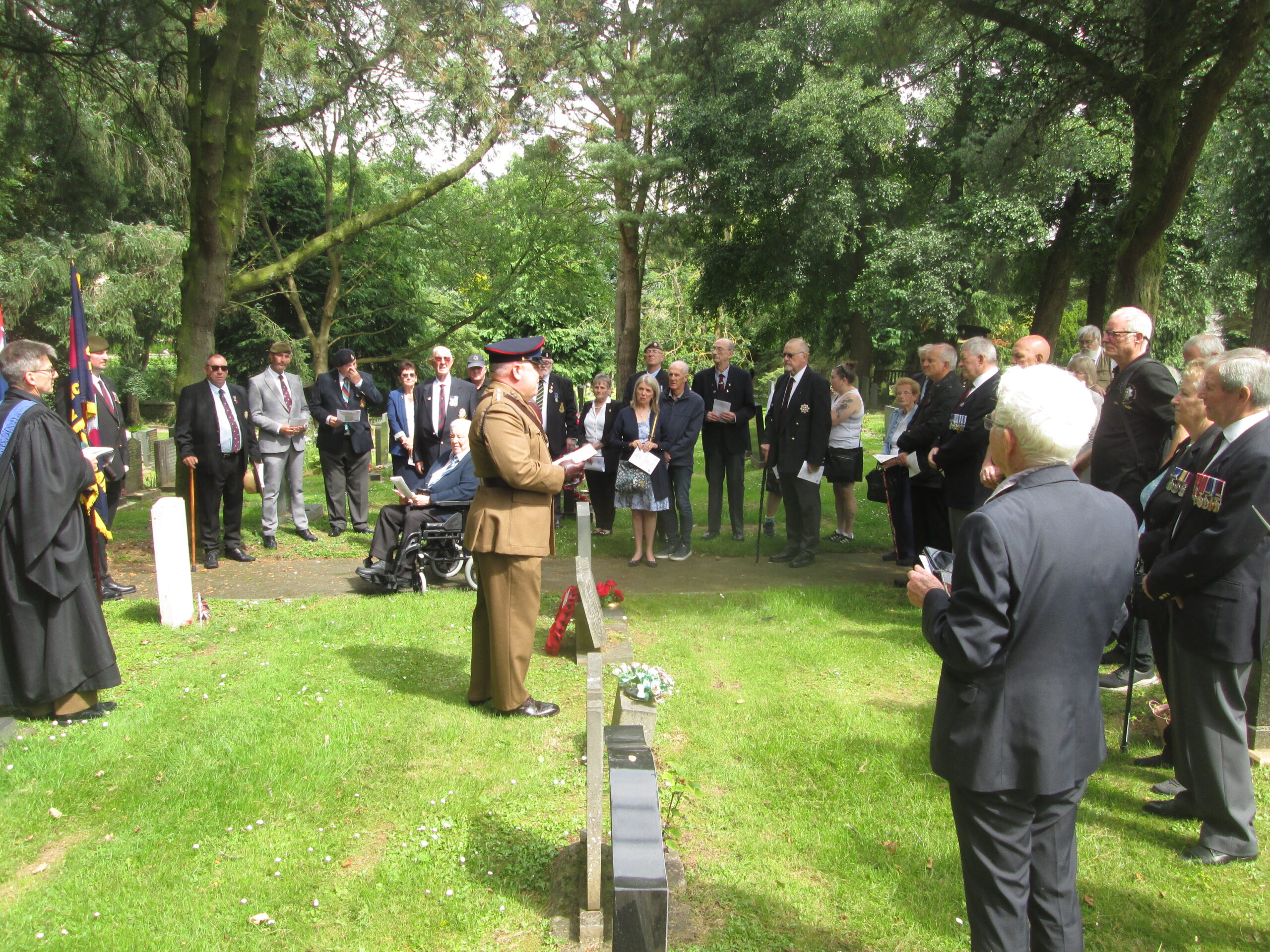
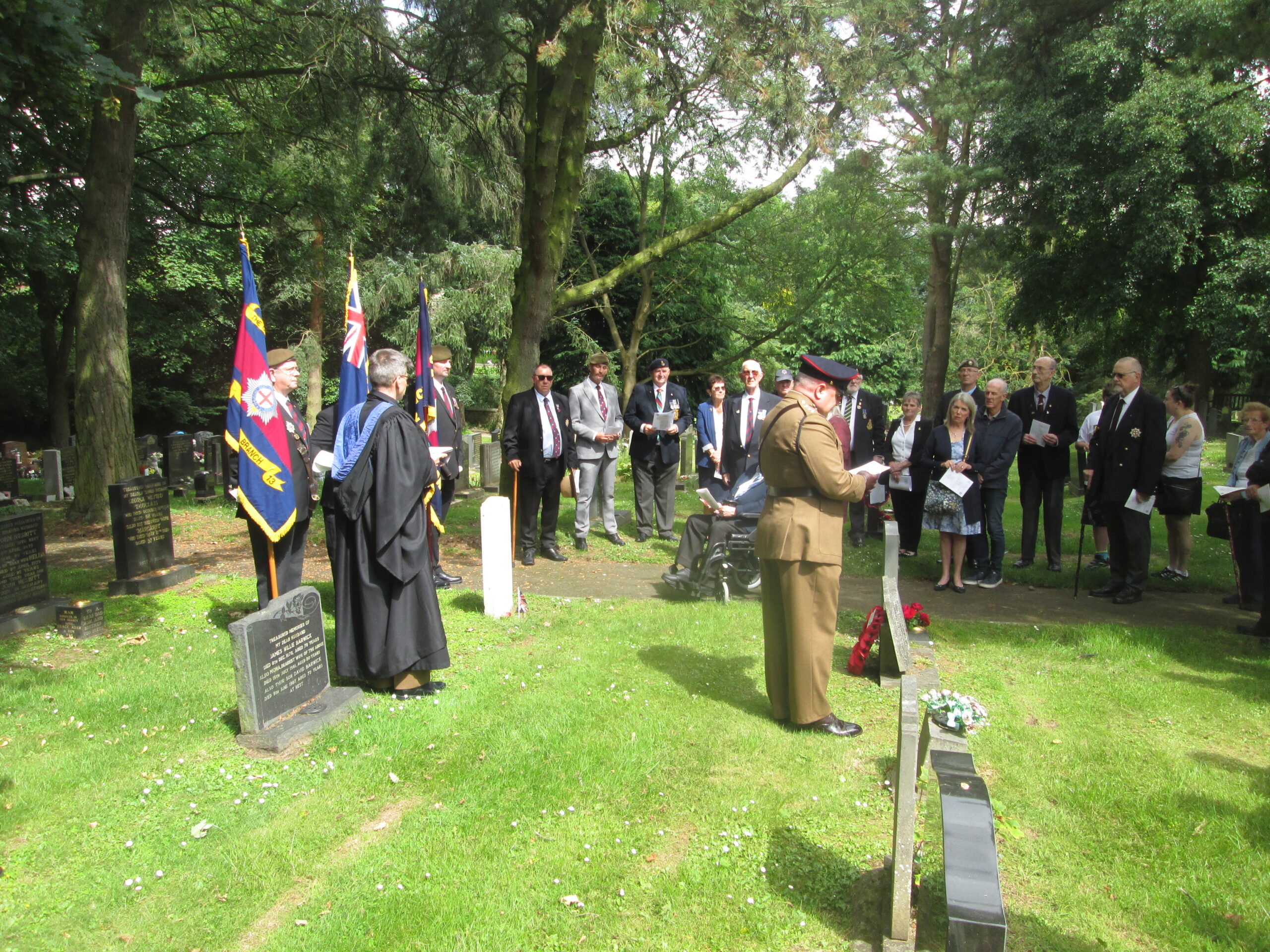
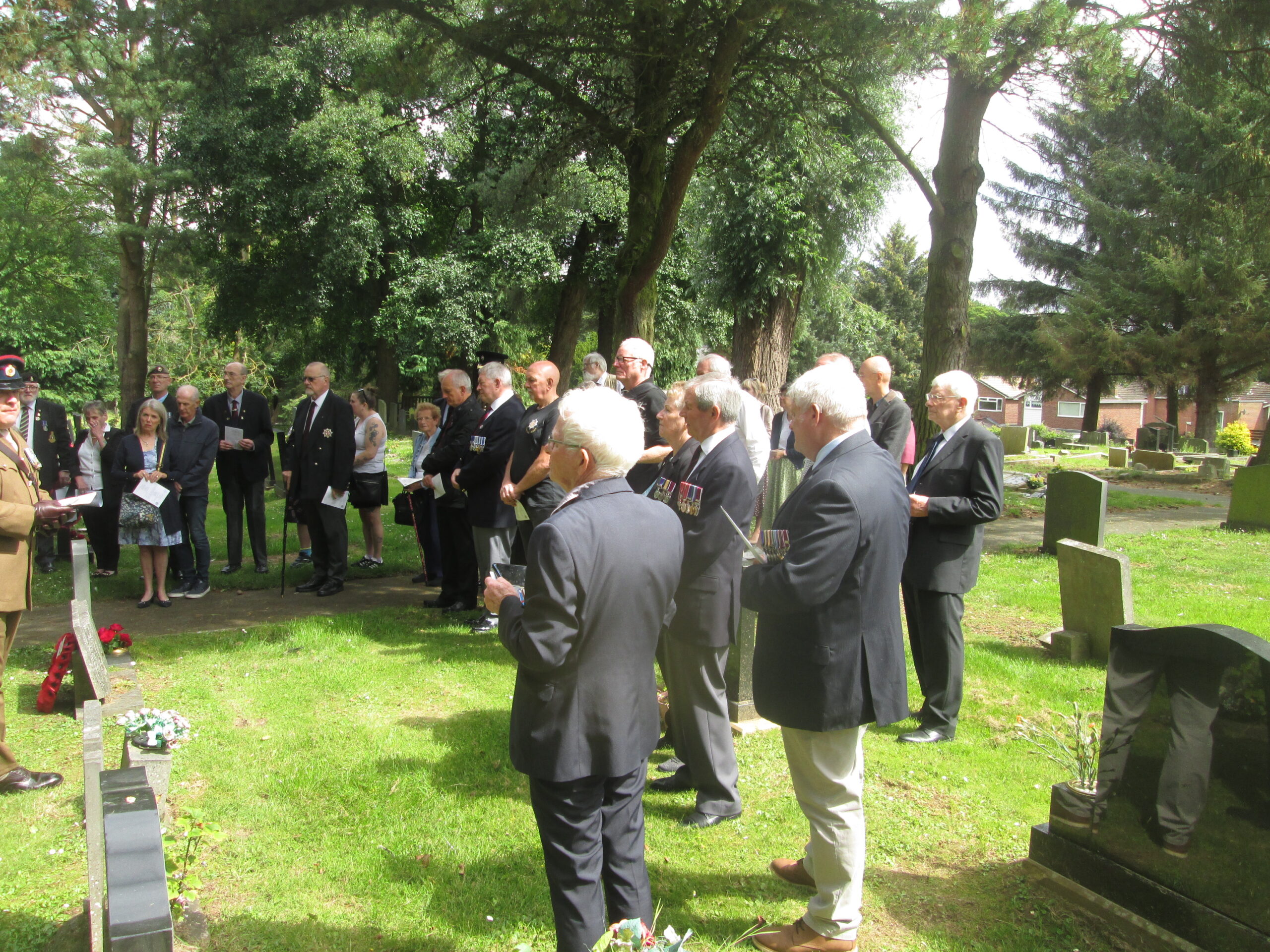
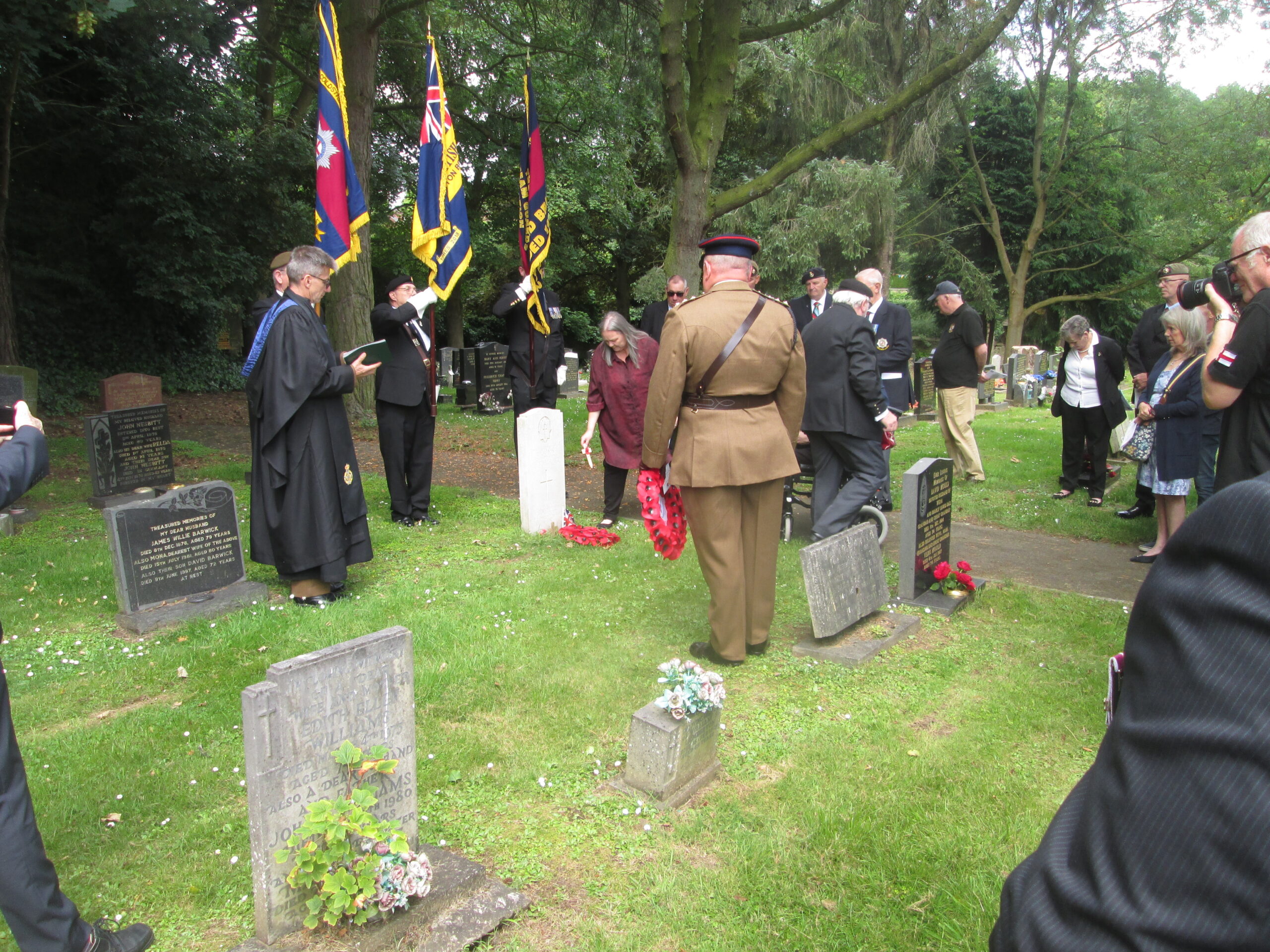
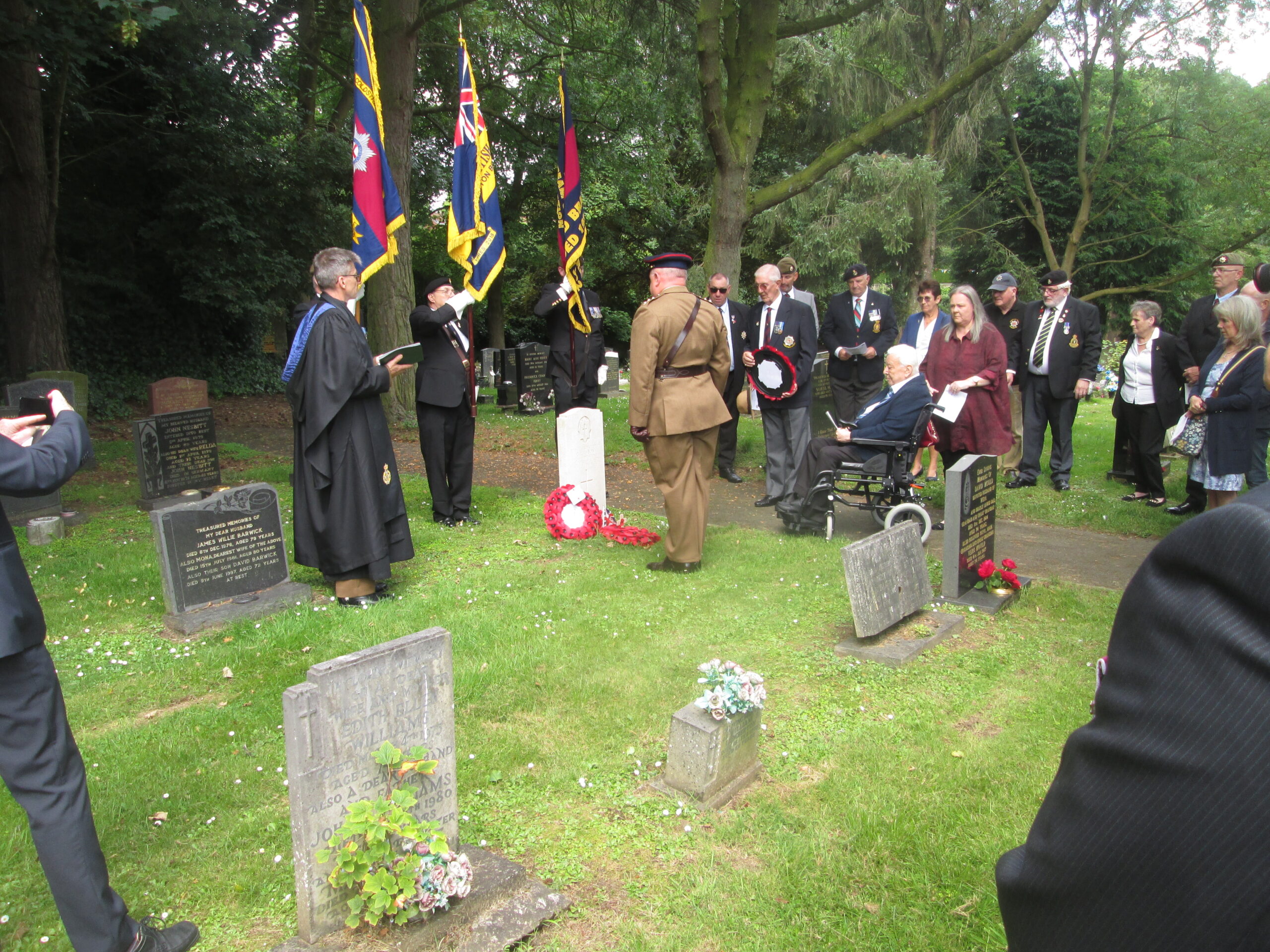
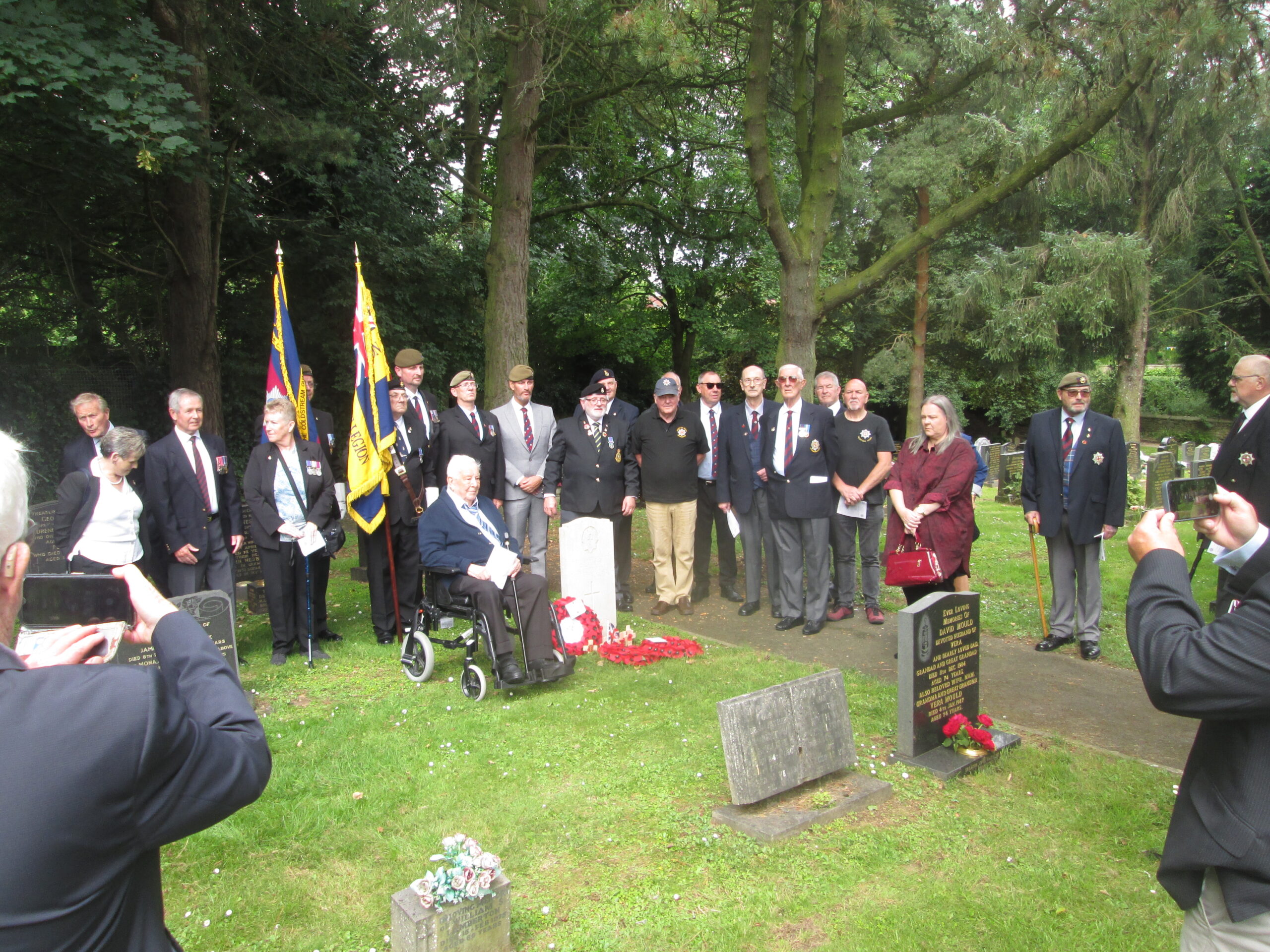
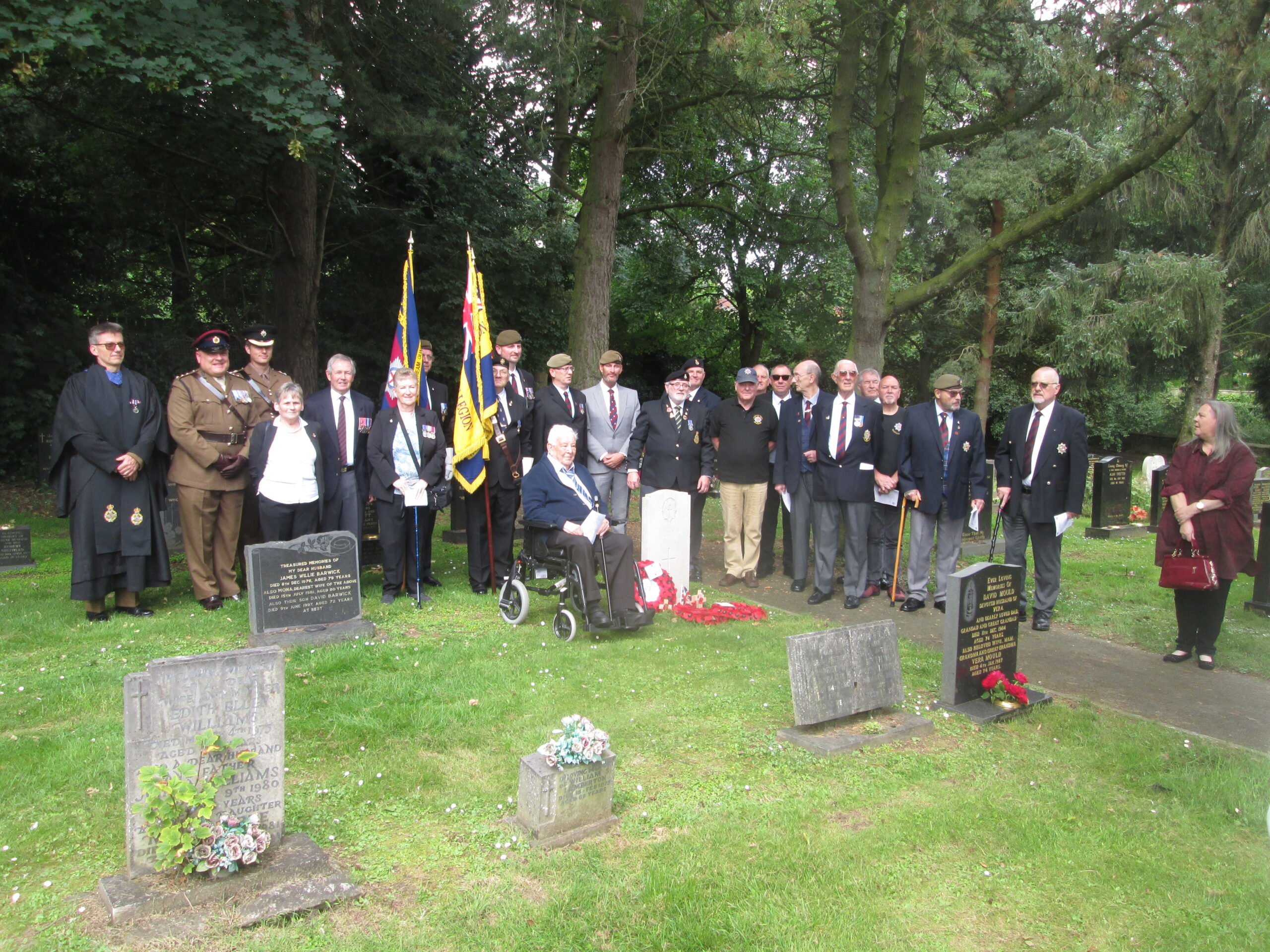
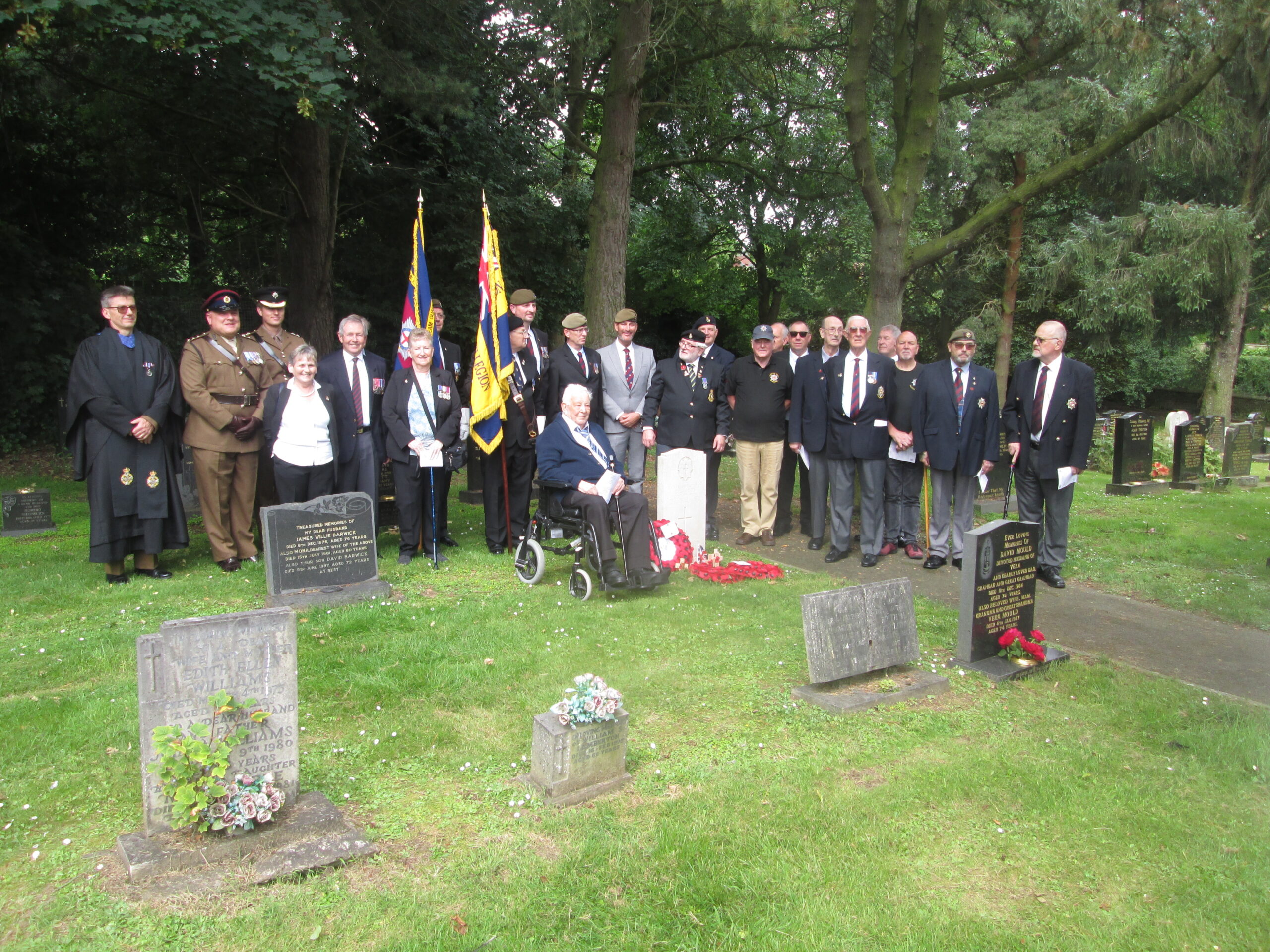
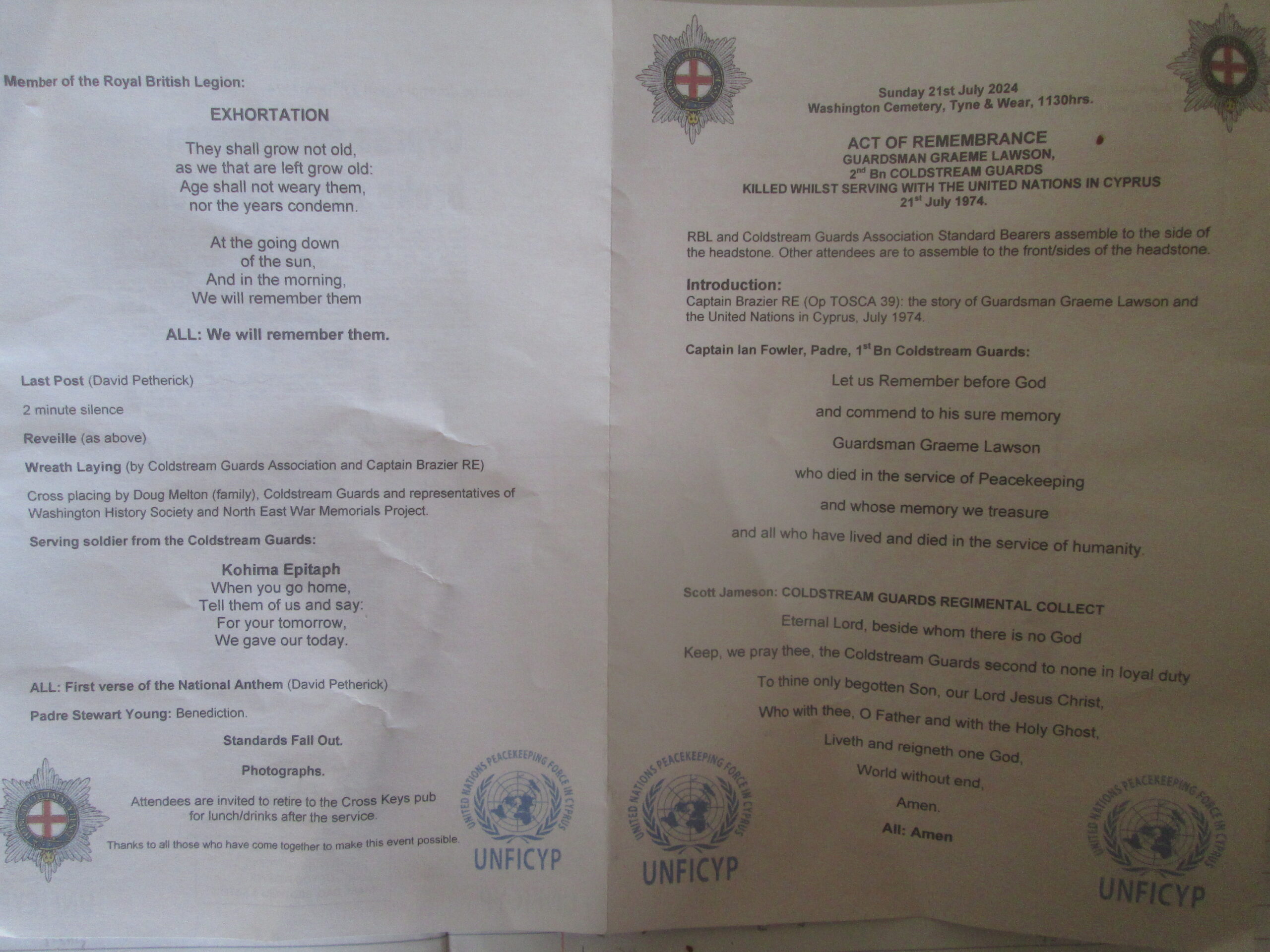
An Act of Remembrance commemorative service was held for Guardsman Graeme Lawson on the 21st July 2024 at Washington Cemetery at 11.30 am. The service was introduced by Captain Brazier RE (OP TOSCA). Captain Ian Fowler, Padre 1st Battalion Coldstream Guards, Scott Jameson, Coldstream Guards Regimental Collect. Family member, Doug Melton an uncle, Washington History Society and the North East War Memorials Project were in attendance and left crosses on the headstone. The Last Post was played by David Petherick.
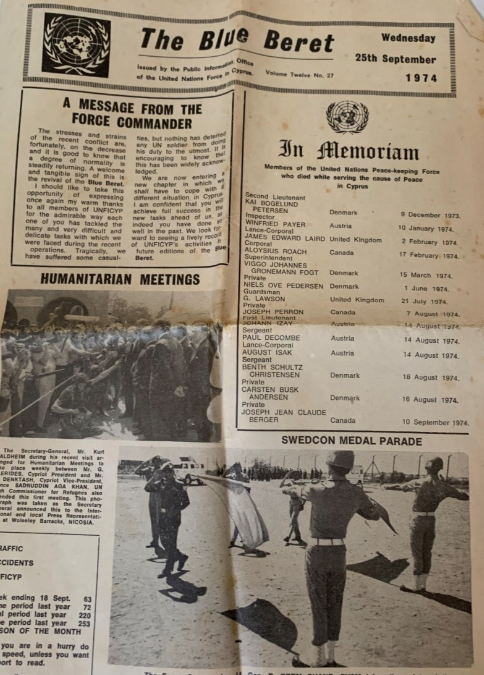
Source: Richard Lawn; The British Newspaper Archive; The Guards Coldstream Museum: Ged Parker; Washington History Society: The National Arboretum Memorial; UNFICYP; Brian Chadfield Mohr.
Graeme Lawson is remembered at Washington on W96.01.
First Name: Graeme
Last Name: Lawson
Service Number: 24263443
Which War: Post 1947
Died: 21/07/1974
Age: 18
Rank: Guardsman
Regiment: Coldstream Guards
Served in: Army
Unit/Ship: 2nd Battalion
Turkish Invasion of Cyprus Thames TV Documentary.
Wikipedia entry.
BBC News Story 2024.
Links to Source Material
If you know more about this person, please send the details to NEWMP.
