Notes: 1. When the cross (W48.04) was finally dedicated, the full sum still had not been raised. But this memorial was in addition to other plans.
2. The villages of Whittingham and Glanton each had its own Committee, but worked jointly to raise funds, dividing the proceeds eventually to provide their own memorials. Lord Ravensworth provided the land free of charge at Whittingham.
3. A Field Day raised the total to £880, which Lord Ravensworth topped up to £1,000.
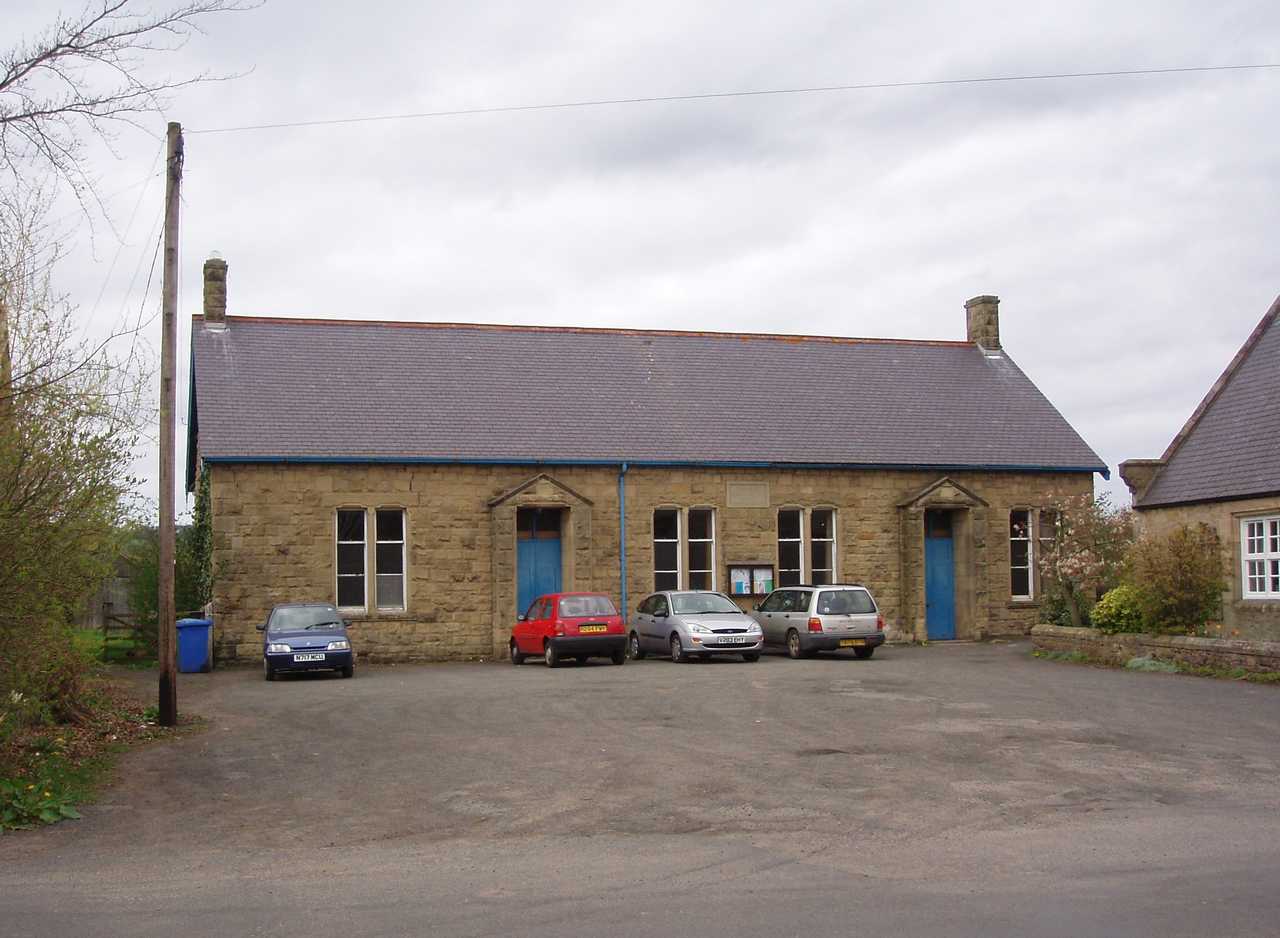
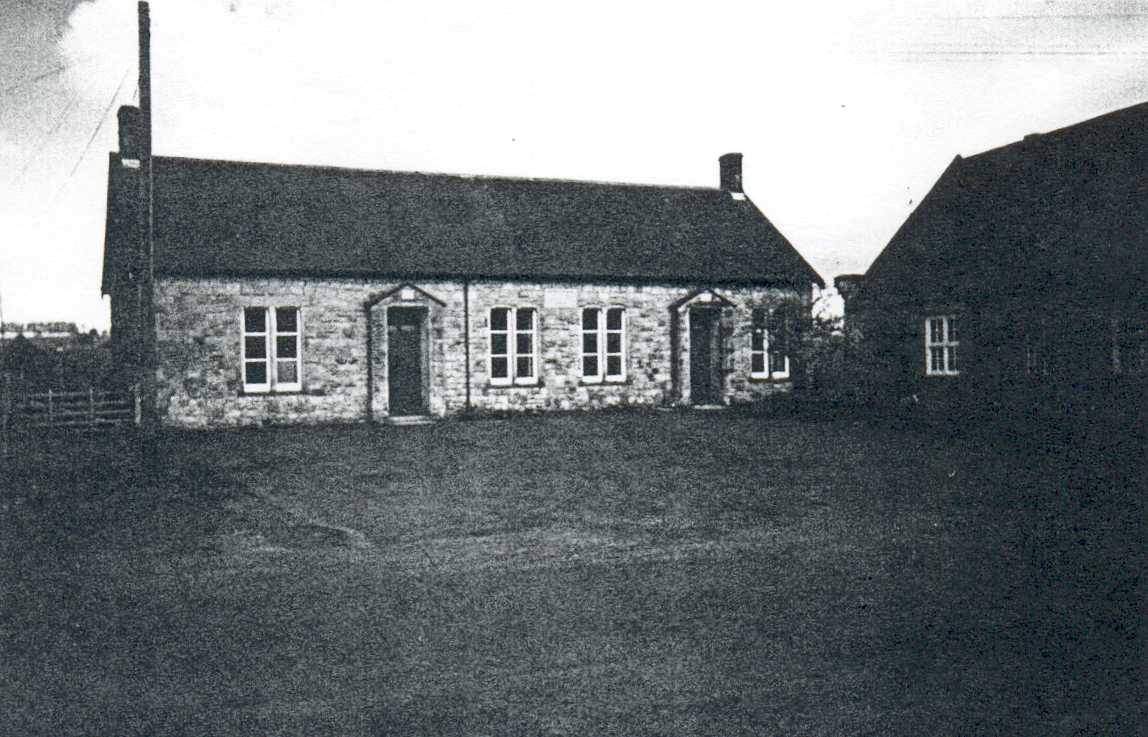
4. A bazaar was held in the building immediately after the official opening.
5. One of the men who served from Whittingham was Bob Renwick, who joined the 16th K.R.R.C. On June 1996 he was aged 100 and was one of the oldest men still alive to have survived the Battle of the Somme. (The Journal 27/06/1996)
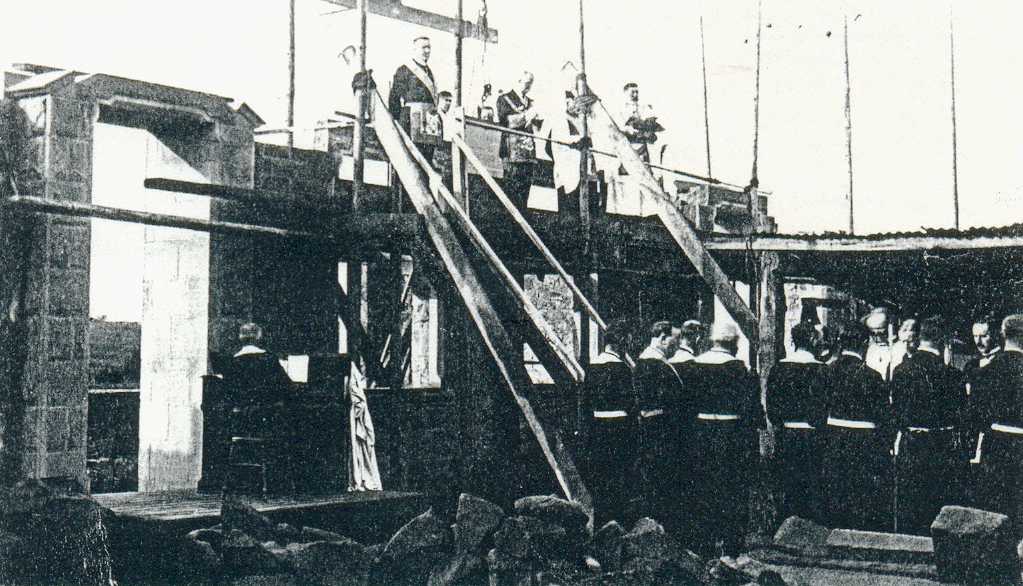
6. The ceremony at which the inscription stone was placed by Lord Ravensworth was “of a Masonic character, and was carried out by officers of the craft, with a dispensation from the Grand Master of Northumberland (Col. C.W. Napier Clavering)”. Lord Ravensworth, of Eslington Hall, was the Right Worshipful Provincial Grand Master of Durham. In a cavity in the inscription stone, a phial was laid, containing silver coins, and a parchment scroll with the inscription “This hall is erected in grateful memory of the loyalty and devotion of those who served their country in the Great War, 1914-1918, and the memorial stone was laid by Gerald Wellesley, sixth Baron Ravensworth, on St. Barnabas Day, June 11, 1924.”
“His Lordship then struck the stone with the trowel, at each of the four corners, after which, symbols of the craft – plumb-line, rule, level and square – were applied by officers of the Order”. “Consecrating elements of corn, wine, oil and salt were sprinkled on the stone by Lord Ravensworth.”
7. Lord Ravensworth was presented with the silver trowel as a memento of the occasion.